A New Design Director for Porsche: Tobias Sühlmann Takes the Helm, Inheriting a Legacy of Iconic Automotive Aesthetics
In a significant development within the rarefied atmosphere of high-performance automotive design, Tobias Sühlmann, formerly the influential head of design at McLaren Automotive, is making a momentous career pivot. He is set to assume the prestigious role of Director of Design for Porsche AG, succeeding the venerable Michael Mauer, whose twenty-year tenure has indelibly shaped the visual identity of Stuttgart’s iconic marque. This transition marks a new chapter for both Sühlmann and Porsche, promising a fresh infusion of creative vision into a brand celebrated for its enduring design principles.
For over two decades, Michael Mauer has been the principal architect of Porsche’s aesthetic evolution. Under his stewardship, the unmistakable silhouette of the Porsche 911 has been meticulously guided into the modern age, while the brand’s distinctive design DNA has been thoughtfully and successfully translated across an expanding model range. This period of Muaer’s leadership has seen the creation and refinement of some of the most significant Porsche models, including the groundbreaking 918 Spyder hybrid supercar, the sophisticated Panamera four-door coupe, and the muscular, revised Cayenne SUV. His contributions have been instrumental in maintaining the timeless appeal of Porsche vehicles while ensuring they remain relevant and desirable in a constantly evolving automotive landscape.
Porsche CEO Michael Leiters, himself a figure with a rich background in the automotive industry, having previously held leadership positions at McLaren and Ferrari, articulated the profound impact of Mauer’s work. “Michael Mauer has shaped an era at Porsche,” Leiters remarked, highlighting Mauer’s ability to blend durability with fresh impulses, a critical balance for any enduring design language. “He has, with his team, carefully guided the iconic design of the 911 into the modern era and at the same time unmistakably transferred the Porsche design DNA to new model series. Timeless design requires both durability and new impulses. Now is a good time to bring new perspectives to the design as well.” This sentiment underscores the strategic importance of the design leadership change, signaling an intent to build upon a strong foundation while embracing future innovation.
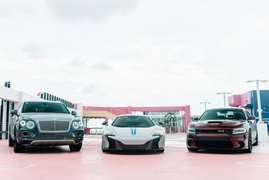
The arrival of Sühlmann at Porsche is anticipated with considerable interest among automotive enthusiasts and industry insiders. His most recent role as McLaren’s creative boss, a position he held since 2023, saw him overseeing the design direction for the British supercar manufacturer’s ambitious product portfolio. Prior to his tenure at McLaren, Sühlmann cultivated an impressive resume with significant contributions to several other prestigious automotive brands. His design portfolio includes impactful work at Bugatti, where he contributed to the avant-garde aesthetics of their hypercars, and Aston Martin, where his expertise helped refine the elegance and dynamism synonymous with the brand. Notably, he was also “significantly involved” in the creation of the striking Bentley Batur, a limited-edition grand tourer that showcased his ability to blend bespoke luxury with cutting-edge design.
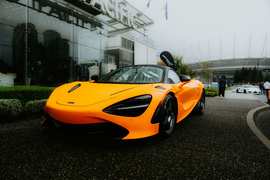
Sühlmann’s background suggests a deep understanding of the nuances that define automotive desirability, particularly within the performance segment. His involvement with the McLaren Solus GT, a track-only hypercar that pushed the boundaries of aerodynamic efficiency and visual aggression, demonstrates an affinity for extreme performance and its aesthetic translation. This experience, coupled with his work on more road-oriented, yet equally exclusive, vehicles at Bugatti, Aston Martin, and Bentley, positions him as a designer capable of navigating the diverse demands of the Porsche brand.
The Enduring Allure of Porsche Design: A Legacy to Uphold
The prospect of Sühlmann steering Porsche’s design future inevitably raises questions about how he will interpret and evolve the brand’s distinctive visual identity. Porsche’s design language is characterized by a powerful sense of continuity. The fundamental proportions and key design cues, such as the horizontal lines, the prominent fenders, and the characteristic headlights, have been remarkably consistent across generations. This continuity is not a sign of stagnation, but rather a testament to a deeply ingrained and universally admired aesthetic that resonates with a passionate global clientele. The challenge for any new design director is to honor this heritage while simultaneously pushing the envelope to ensure relevance and appeal for a new generation of discerning customers.
The success of Porsche’s design strategy has been a cornerstone of its sustained commercial and critical acclaim. Unlike many manufacturers who have undergone radical stylistic overhauls to signal a shift in brand identity, Porsche has demonstrated a masterful ability to evolve its core design principles incrementally. This approach fosters a sense of familiarity and trust among its existing customer base while attracting new buyers who are drawn to the enduring quality and performance associated with the brand. The 911, in particular, serves as a prime example of this evolutionary design philosophy. Each iteration retains the unmistakable essence of its predecessors, yet incorporates modern design trends and technological advancements, such as advanced LED lighting signatures and more aerodynamically optimized forms.
Navigating the Future: Electrification, Technology, and the Porsche Aesthetic
The automotive industry is currently undergoing a profound transformation, driven by the imperative of electrification and the rapid integration of advanced digital technologies. Porsche, as a leader in performance mobility, is at the forefront of this transition. The Taycan, its all-electric sports sedan, has been lauded for its ability to translate the brand’s performance ethos into an entirely new powertrain architecture. This success highlights the critical role of design in bridging the gap between traditional automotive values and the future of mobility.
Sühlmann’s appointment comes at a pivotal moment for Porsche’s design department. The company is expected to continue its aggressive push into electrification, with future generations of the 911 and other iconic models likely to embrace hybrid or fully electric powertrains. This will present unique challenges and opportunities for designers. The aerodynamic demands of electric vehicles, for instance, often necessitate sleeker, more enclosed forms, which may diverge from some of the traditional design elements that have defined Porsche’s past. Sühlmann’s experience with cutting-edge aerodynamic designs at McLaren, particularly with models like the Solus GT, could prove invaluable in this context.
Furthermore, the increasing importance of digital interfaces, augmented reality, and in-car connectivity will undoubtedly influence the interior design of future Porsches. The driver’s interaction with the vehicle is becoming more sophisticated, and the cabin environment must evolve to accommodate these advancements without compromising the brand’s focus on driver engagement and luxury. Sühlmann’s proven ability to balance cutting-edge technology with refined aesthetics in his previous roles suggests he is well-equipped to tackle these challenges.
The Legacy of Michael Mauer: A Hard Act to Follow
Michael Mauer’s tenure at Porsche has been nothing short of remarkable. He inherited a design language that was already iconic and, rather than revolutionizing it, he refined it with a keen eye for detail and an understanding of what makes a Porsche a Porsche. His ability to maintain the emotional connection that enthusiasts have with the brand’s designs while ensuring they meet contemporary standards of safety, efficiency, and technology is a testament to his exceptional skill.

His leadership has ensured that Porsche has not only remained competitive but has also thrived in a landscape increasingly dominated by diverse interpretations of automotive styling. The Panamera, for example, initially faced skepticism regarding its unconventional proportions, but Mauer and his team successfully imbued it with Porsche’s characteristic dynamism, transforming it into a successful and desirable luxury sedan. Similarly, the ongoing evolution of the Cayenne has seen it retain its SUV prowess while embracing a more sculpted and athletic design language.
Mauer’s own reflections on the nature of timeless design—the need for both durability and new impulses—provide a crucial insight into his strategic approach. He understood that true design excellence lies not in radical reinvention, but in thoughtful evolution. His departure signals the end of an era, but his legacy is firmly cemented in the lines of every Porsche that has rolled out of Stuttgart during his leadership.
Tobias Sühlmann: A Fresh Perspective for a Dynamic Future
The appointment of Tobias Sühlmann represents a strategic move by Porsche to inject new creative energy into its design studios. His diverse experience across several ultra-luxury and performance brands suggests a broad understanding of what resonates with high-net-worth individuals and performance enthusiasts alike. His work on the Bugatti Chiron’s interior, for instance, showcased a meticulous attention to detail and a sophisticated use of materials, elements that are paramount in the luxury automotive segment. His involvement in the Bentley Batur further underscores his capability in crafting bespoke, emotionally resonant designs that stand apart from the mainstream.
The question of how Sühlmann will shape the future of Porsche design is one that will unfold over the coming years. Will he introduce a more pronounced aerodynamic focus, influenced by his McLaren experience? Will he explore bolder lines or a more avant-garde interpretation of the brand’s signature elements? Or will he follow Mauer’s lead, opting for a more evolutionary approach, subtly refining existing forms to meet future demands?
One can anticipate that Sühlmann will leverage his experience with different brand philosophies to identify opportunities for innovation within the established Porsche framework. His understanding of how to blend aggressive performance cues with luxurious comfort, as seen in his work with Aston Martin and Bentley, will be particularly valuable as Porsche continues to expand its model range and cater to a wider spectrum of discerning buyers. The interior design of future Porsche models will also be a key area of focus, as the integration of advanced digital interfaces and the pursuit of sustainable luxury materials become increasingly important.
The collaboration between Sühlmann and Porsche’s engineering teams will be crucial. The best automotive designs are born from a symbiotic relationship between form and function, where aesthetics enhance performance and vice versa. Given Porsche’s unwavering commitment to driving dynamics, it is highly probable that Sühlmann will be tasked with translating the brand’s legendary performance capabilities into compelling visual narratives. This might involve more integrated aerodynamic elements, sharper lines that convey speed and agility, or innovative solutions for packaging advanced powertrain technologies.
The Road Ahead: Embracing Innovation While Honoring Tradition
The automotive design landscape is more dynamic and competitive than ever. Brands that can successfully navigate the challenges of electrification, sustainability, and evolving consumer expectations while retaining their unique identity are poised for long-term success. Porsche, with its rich heritage and its forward-thinking leadership, is well-positioned to thrive in this new era.
The arrival of Tobias Sühlmann as Porsche’s new design director is a compelling development that promises to usher in a new wave of creativity and innovation. While Michael Mauer leaves behind an extraordinary legacy of design excellence, Sühlmann brings a fresh perspective and a wealth of experience that could redefine the visual future of one of the world’s most revered automotive brands. The anticipation surrounding his contributions is palpable, as enthusiasts eagerly await to see how he will interpret and advance the timeless aesthetic that has made Porsche a benchmark for automotive design for decades.
For those who appreciate the artistry and engineering prowess that define Porsche, this transition represents an exciting juncture. Understanding the nuances of automotive design and the strategic decisions behind such appointments offers a deeper insight into the future of your favorite performance vehicles.
If you’re captivated by the intersection of groundbreaking design and exhilarating performance, and you’re eager to learn more about the vehicles that embody these principles, explore our curated content on automotive design innovation and the latest trends shaping the future of the automobile.