Ford and Renault: A Strategic Alliance to Electrify Europe and Maybe, Just Maybe, Revive the Fiesta
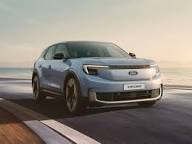
The automotive landscape is shifting beneath our tires. After a decade spent navigating the complexities of electric vehicle (EV) development and market penetration, I can tell you one thing for sure: collaboration is the new competition. And the recent announcement of a partnership between Ford and Renault to develop affordable EVs in Europe is a prime example of this evolving reality. It’s a move born out of necessity, driven by ambition, and fueled by the looming presence of increasingly competitive Chinese EV manufacturers. Most importantly, it may breathe new life into beloved nameplates like the Ford Fiesta.
The European EV Landscape: A Battlefield for Market Share
Europe is a key battleground in the global EV race. Stringent emissions regulations, growing consumer demand for electric mobility, and significant government incentives have created a fertile market. However, this market is also becoming increasingly crowded. Established European automakers are facing stiff competition from Tesla, who successfully built a Gigafactory near Berlin, and a wave of innovative, cost-effective EVs from Chinese brands like BYD, MG, and Nio. These Chinese manufacturers are not just offering compelling technology; they’re doing so at price points that legacy automakers are struggling to match.
Ford, despite its iconic brand and established presence in Europe, has faced challenges in gaining significant traction in the EV market. The Ford Mustang Mach-E has been a relatively popular contender, but the company has yet to field a truly mass-market, affordable EV, a critical segment for capturing widespread adoption. Renault, with its long history of producing small, efficient cars, has arguably been more successful with models like the Zoe and the Megane E-Tech Electric. However, even Renault needs to bolster its competitiveness to maintain its position and continue EV sales growth.
A Partnership Forged in Competition: The Ford-Renault Alliance
This is where the Ford-Renault partnership comes into play. The core objective is clear: to jointly develop and manufacture a range of affordable electric vehicles that can effectively compete with the influx of Chinese EVs. The plan, according to current reports, involves Ford designing two small electric cars leveraging Renault’s EV technology platform, with production based in France. The targeted launch date is 2028, giving both companies time to refine their designs, optimize production processes, and build anticipation.
While details are still scarce, the strategic rationale behind this partnership is compelling. Ford brings its design expertise, brand recognition, and established dealer network, while Renault contributes its advanced EV platform, manufacturing capabilities, and deep understanding of the European small car market. By pooling their resources and expertise, Ford and Renault aim to achieve economies of scale, reduce development costs, and accelerate the time to market for their new EVs.
The $25,000 EV Dream and the Potential Fiesta Revival
One of the most intriguing aspects of this partnership is the focus on affordability. Both Ford and Renault understand that to achieve mass EV adoption, they need to offer vehicles that are accessible to a wider range of consumers. While Ford has been working on a $30,000 EV for the North American market, this new European partnership aims to go even lower, potentially targeting a price point closer to $25,000 or even lower with incentives.
This focus on affordability raises the exciting possibility of a revived Ford Fiesta. The Fiesta, a beloved subcompact car with a long and storied history in Europe, was discontinued in 2023. However, the demand for small, efficient, and affordable cars remains strong, particularly in urban areas. An all-electric Fiesta, leveraging Renault’s EV technology and Ford’s design flair, could be a compelling proposition for European buyers. Furthermore, the idea of an electric Fiesta ST, injecting some fun and sporty performance into the equation, is sure to excite enthusiasts. This revival would significantly contribute to Ford’s EV sales numbers.

Commercial Vans: Another Area of Potential Collaboration
Beyond small passenger cars, the Ford-Renault partnership is also exploring potential collaboration in the commercial van segment. Commercial vans are a vital part of Ford’s European business, and the electrification of this segment is a growing priority. Renault, with its expertise in electric commercial vehicles, could be a valuable partner in developing and manufacturing electric vans for Ford. This collaboration could help Ford accelerate its electrification efforts in the commercial vehicle market and maintain its competitive edge.
Ford’s European Strategy: A Focused Approach to Electrification
While Ford is scaling back its investments in EVs in some other regions, the company remains committed to electrification in Europe. This partnership with Renault underscores this commitment and demonstrates a strategic shift towards a more focused and collaborative approach. By leveraging Renault’s expertise and sharing development costs, Ford can accelerate its EV program in Europe while mitigating the financial risks associated with developing new electric vehicle platforms and technologies from scratch.
Challenges and Opportunities Ahead
Of course, the Ford-Renault partnership is not without its challenges. Integrating two different corporate cultures, aligning engineering processes, and managing potential conflicts of interest will require careful planning and execution. Furthermore, the rapidly evolving EV market demands constant innovation and adaptation. Ford and Renault will need to remain agile and responsive to changing consumer preferences, technological advancements, and competitive pressures.
Despite these challenges, the potential rewards of this partnership are significant. By combining their strengths, Ford and Renault can create a powerful force in the European EV market. They can offer a wider range of affordable, compelling EVs, accelerate the transition to electric mobility, and secure their long-term competitiveness in the face of increasing competition from Chinese automakers. The success of this partnership could also serve as a model for other automakers looking to collaborate and accelerate their EV efforts.
Looking Ahead: The Future of Ford and Renault in Europe
The next few years will be critical for Ford and Renault as they work to bring their jointly developed EVs to market. The success of these vehicles will depend on a number of factors, including their design, performance, pricing, and availability. However, the foundation for a successful partnership is in place. By leveraging their respective strengths, sharing resources, and focusing on affordability, Ford and Renault are well-positioned to compete in the rapidly evolving European EV market. And perhaps, just perhaps, bring back the iconic Ford Fiesta in an electrifying new form. The potential here for increased EV sales is tremendous.
Are you ready to be part of the electric revolution? Explore Ford’s current range of electric vehicles and discover how you can join the future of driving. Contact your local Ford dealer in [Your City/Region] to learn more about upcoming EV models and pre-order opportunities.